Thanks and Transparency

Using Data to Strengthen Your Child’s IEP
November often brings reflection - gratitude for teachers, appreciation for routines that are working, and hope that our children are supported in meaningful ways. For families navigating special education, gratitude can coexist with uncertainty.
You might feel thankful for caring educators and still wonder:
Is my child actually making progress?
Are services being delivered as written?
How do I ask these questions without sounding ungrateful or confrontational?
This is where transparency matters. Transparency doesn’t mean distrust. It means clarity. It means having shared, objective information so everyone—parents and school teams alike—can make informed decisions. In special education, transparency lives in data: how progress is measured, how often it’s reviewed, and how clearly it’s communicated.
In this post, we’ll walk through:
Why progress data is essential to a strong IEP
What schools are required to share (and what they often don’t)
How parents can track progress without becoming “the difficult parent”
How to use our IEP Progress Tracker to support collaboration, not conflict
Why Transparency Is a Cornerstone of Special Education
An IEP is more than a document—it’s a plan designed to help your child make meaningful educational progress. Under federal law, each IEP must include:
Measurable annual goals
A clear description of how progress toward those goals will be measured
Regular reporting of progress to parents
On paper, this sounds straightforward. In practice, many families receive vague updates such as:
“Making adequate progress”
“Progressing toward goals”
“Needs continued support”
These statements lack context. Without concrete data, it’s nearly impossible for parents to know whether an IEP is working—or whether adjustments are needed.
Transparency ensures:
Parents and educators are using the same information
Decisions are based on evidence, not impressions
Small concerns are addressed early, before they become major issues
Gratitude and Accountability Can Coexist
One common fear we hear from parents is:
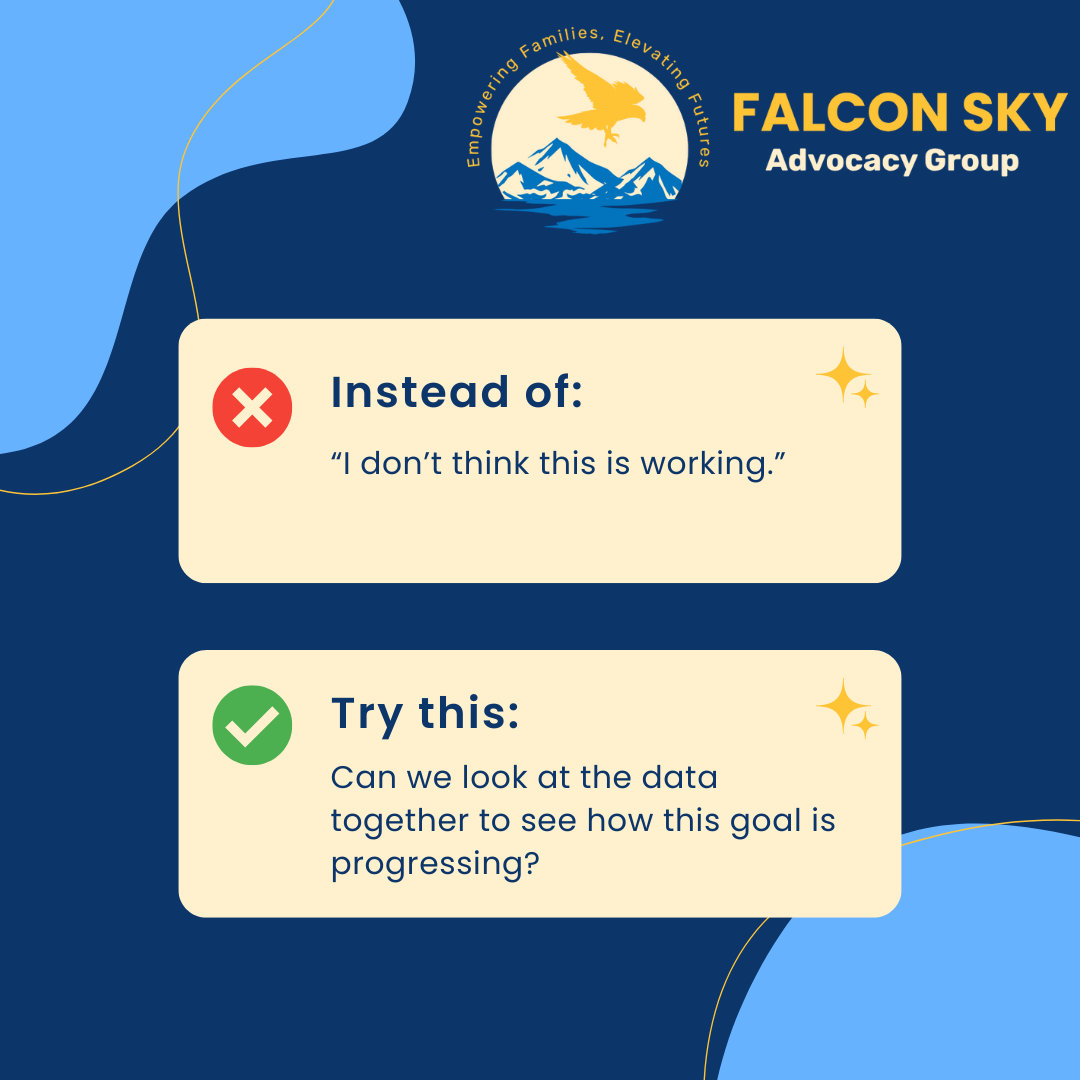
“I don’t want to seem ungrateful or accuse anyone of not doing their job.”
This fear is understandable—but unnecessary.
Asking for data is not an accusation. It’s part of the process. Schools expect to collect and review progress data; parents are entitled to understand it. When framed collaboratively, transparency strengthens trust rather than undermining it.
What Progress Monitoring Should Look Like
Effective progress monitoring answers three core questions:
What skill is being measured?
(For example: reading fluency, expressive language, task completion)How is it measured?
(Curriculum-based measures, data probes, work samples, observation checklists)How often is it reviewed and shared?
(Monthly, quarterly, aligned with report cards)
When progress monitoring is done well, you should be able to see:
A clear baseline (where your child started)
Incremental growth over time
Whether strategies and services are effective
If progress stalls or regresses, the data should trigger a discussion—not silence.
Common Gaps Parents Encounter
Even in well-intentioned schools, transparency gaps are common. Parents often report:
Receiving progress reports without numbers or examples
Learning about lack of progress only at the annual review
Difficulty accessing service logs or session notes
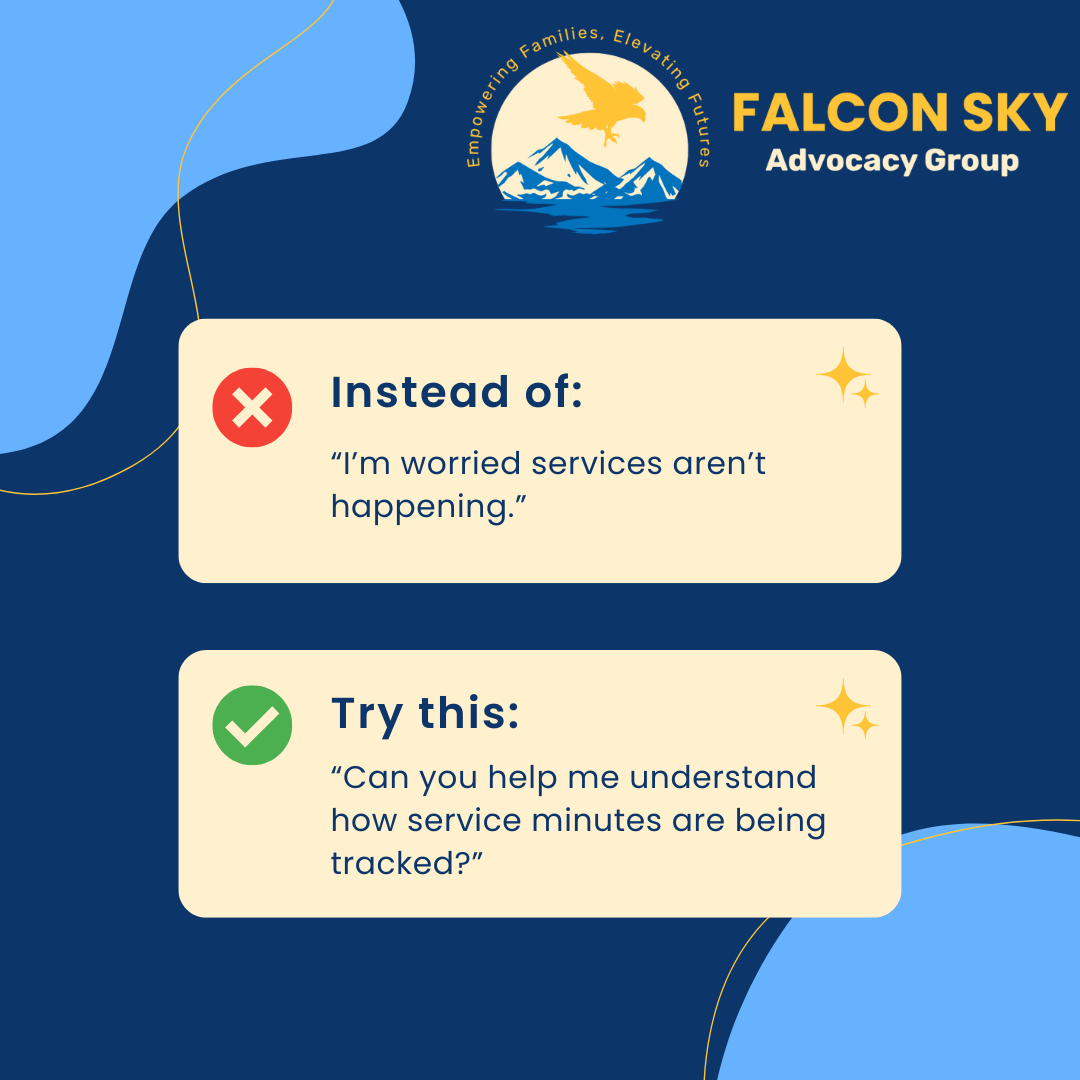
Confusion about whether services were delivered as written
These gaps aren’t always intentional—but they can delay support. A simple tracking system helps close them.
Introducing the IEP Progress Tracker
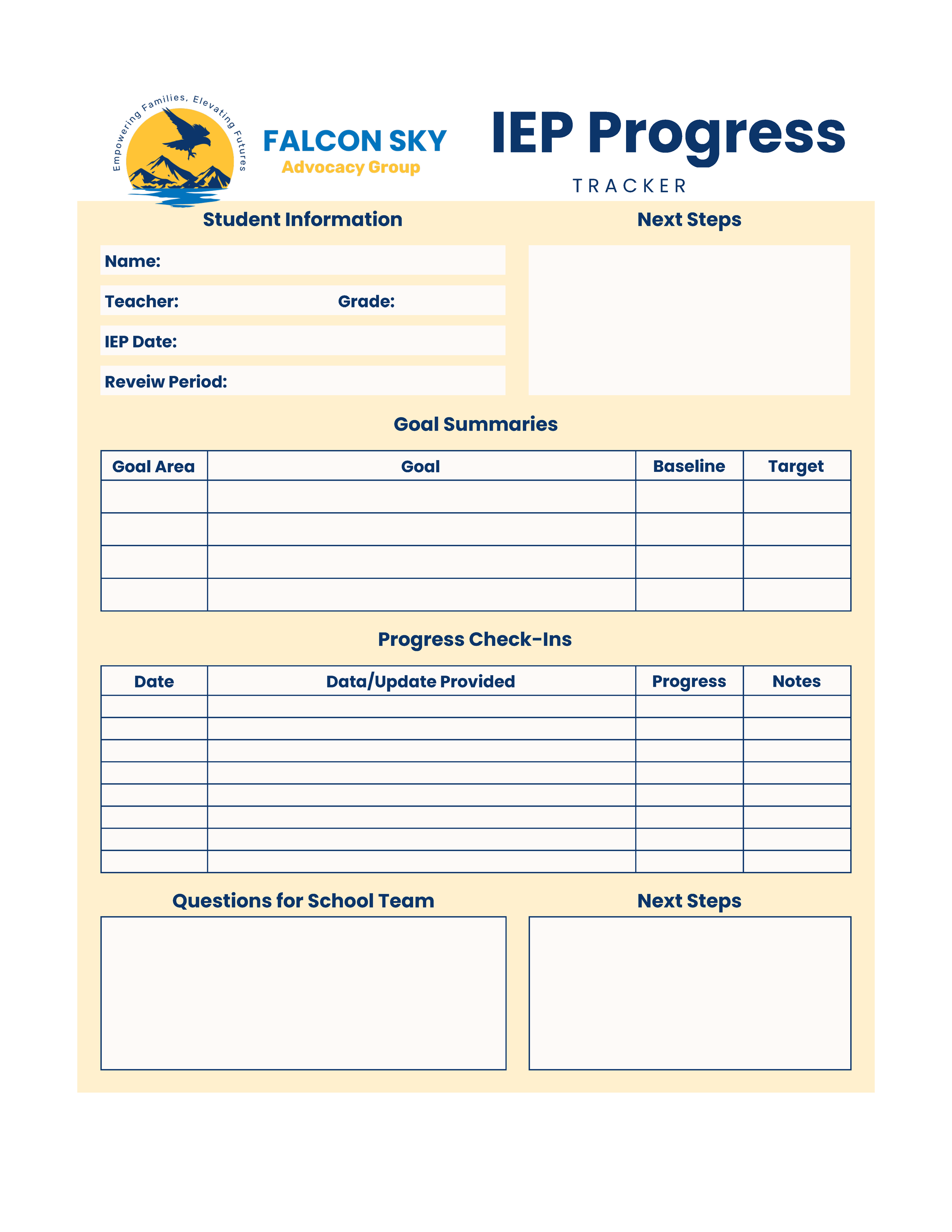
The IEP Progress Tracker was designed to give parents a clear, organized way to monitor progress without needing to be an expert in data analysis.
This tool allows you to:
Track each IEP goal in plain language
Log reported progress updates alongside your own observations
Note service delivery and frequency
Identify patterns over time
Prepare focused, data-informed questions for meetings
👉 [Download the IEP Progress Tracker here]
Think of it as a shared reference point—something that supports conversations rather than escalating them.
Using Transparency to Advocate—Not Escalate
When parents bring organized data to the table, conversations change. Instead of broad concerns, you can ask targeted questions such as:
“What strategies are being used for this goal?”
“Is the current service frequency sufficient based on this data?”
“What changes could help improve progress in the next quarter?”
These questions invite collaboration and problem-solving. Falcon Sky helps you master these tools so you can advocate effectively, even in difficult situations.
When Transparency Signals a Need for Change
Sometimes, transparency reveals that an IEP needs adjustment. This might include:
Revising a goal that’s no longer appropriate
Increasing service minutes
Changing instructional strategies
Requesting additional assessments
Data doesn’t just document progress—it guides next steps.
Start Tracking with Confidence
If you’ve ever felt unsure about your child’s progress, the IEP Progress Tracker can help you move from uncertainty to clarity.
👉 [Download the IEP Progress Tracker]
And if you’d like help interpreting progress data, preparing questions, or deciding whether changes are needed, we’re here.
Gratitude as a Strategy
Expressing appreciation for what is working can open the door to honest conversations about what isn’t. A simple acknowledgment - “We really appreciate the effort that’s gone into supporting our child” - can coexist with data-driven requests for change.
Gratitude builds relationships. Transparency sustains them.
Let us be your guide through the process. Reach out to Falcon Sky today and start building a path forward for your child’s success.
